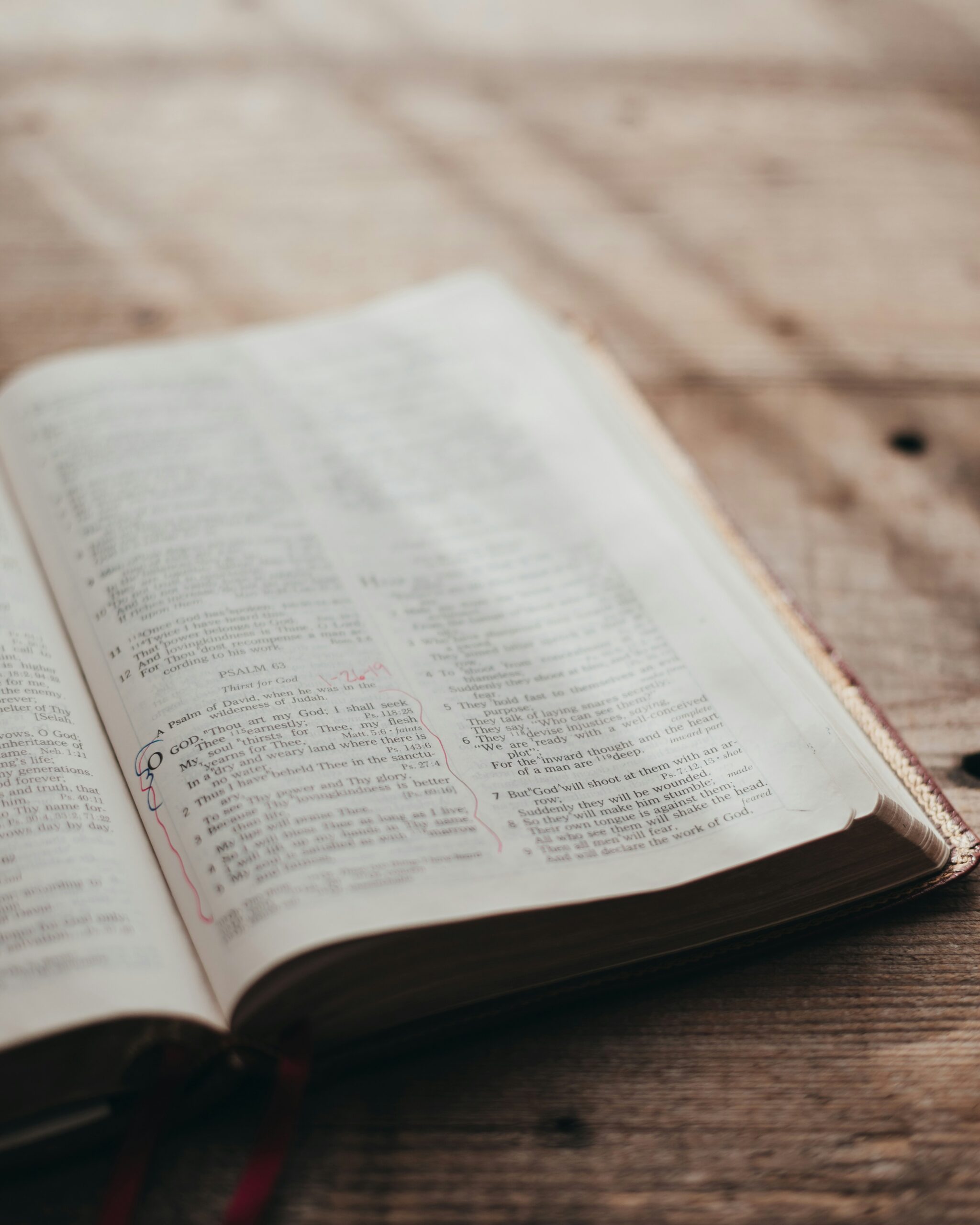
I find myself returning often to a simple phrase, one I learned early in my theological education but which has only deepened in meaning as I’ve wrestled with it over the years: God has no beginning, end, or succession of moments in his own being. When I first encountered this definition of eternality, I confess I found it more bewildering than clarifying. How does one think about a being who exists in no particular sequence of time, who sees all moments with equal vividness, yet who genuinely acts within the stream of history? The mystery still humbles me; yet I’ve come to see that understanding God’s eternity—even partially—reshapes how we relate to him in prayer, in ministry, and in faith.
Unsplash
The Timeless God Who Made Time Itself
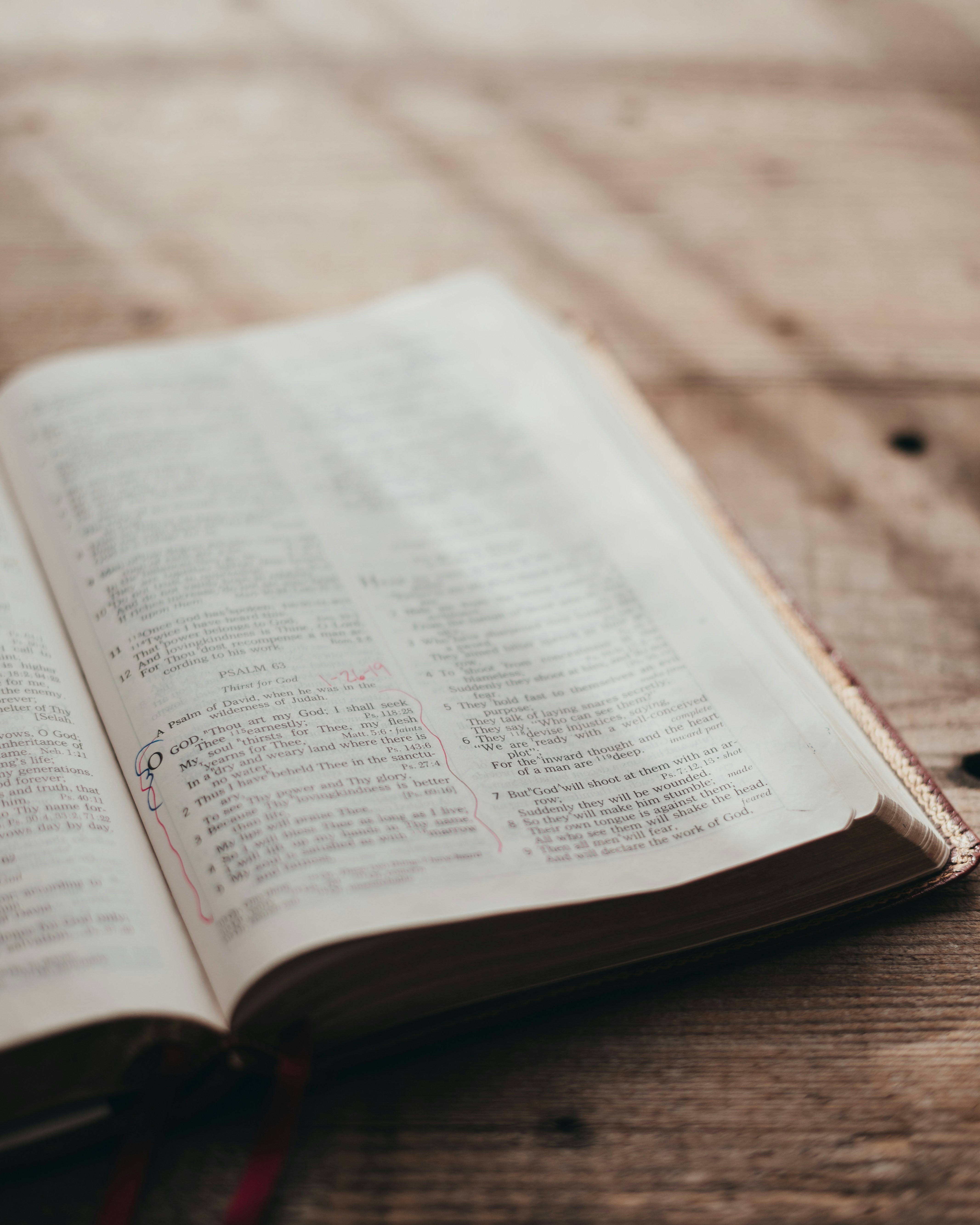
Let me start with what seems simplest: God has no beginning. The psalmist captures this with striking clarity: “Before the mountains were brought forth, or ever you had formed the earth and the world, from everlasting to everlasting you are God” (Psalm 90:2, ESV). This is not poetic exaggeration. It reflects a fundamental truth about God’s nature—he alone is self-existent, needing nothing outside himself to sustain his being.
Here is where a crucial theological insight clarifies the picture. We live in a universe of time and space and matter; these three always occur together. But God created all things. Before the universe existed, there was no time, no space, no succession of moments one after another. Then God spoke, and time itself came into being. This means something remarkable: the Creator stands outside and above the very temporal framework he established. Time does not limit him or constrain him. He is not a being who grows older or weaker or changes as hours pass. To God, all of his existence is always somehow “present,” though I freely admit this strains my finite comprehension.
Unsplash
For this reason, the writer to the Hebrews describes Jesus—the eternal Word—as “the same yesterday and today and forever” (Hebrews 13:8, ESV). There is no yesterday, today, or tomorrow in God’s being. He does not “become” different. His character, his counsel, his love—these do not develop or fluctuate. They simply are, eternally whole and unchanging.
God Sees All Time, Yet Acts in Time
Yet here we must pause, because the doctrine of God’s eternity can easily be misunderstood in a way that makes God seem distant or indifferent to the actual flow of history. So let me add something equally important: God sees events in time and acts in time. This is not a contradiction; it is the complement to his timelessness.
Unsplash
The psalmist again helps us see this paradox: “For a thousand years in your sight are but as yesterday when it is past, or as a watch in the night. You sweep them away as with a flood; they are like a dream, like grass that is renewed in the morning” (Psalm 90:4-5, ESV). God remembers the detailed events of a thousand years with the same clarity that we recall yesterday. At the same time, any single day to God is as vividly present as if it lasted a thousand years. Nothing ever fades from his consciousness. All of history—past, present, and future—is equally vivid to him.
Yet even so, God knows the difference between 2000 BC and today. He observed and knew exactly what was happening as events unfolded. Paul writes, “When the fullness of time had come, God sent forth his Son, born of woman, born under the law, to redeem those who were under the law” (Galatians 4:4-5, ESV). God acted at precisely the right historical moment. The whole narrative arc of Scripture—from Genesis through Revelation—is God’s own record of how he has acted over time to accomplish redemption. He does not view all moments as simultaneous in a way that erases the genuine progress of history. Rather, he sees it all as present while still respecting its sequence and temporal reality.
I find this deeply comforting in ministry. It means that God is not distant from the struggles of this particular moment. He sees this Tuesday morning with the same intensity as he sees the final day of creation. He knows your name. He hears your prayer. He is present in your congregation’s joy and sorrow, not as a disinterested observer, but as the God who is acting, sustaining, redeeming—moving us toward his purposes through time itself.
What This Means for Faith
So what difference does God’s eternity make? I believe it frees us from two opposite errors. On one hand, we are freed from the anxiety that God might forget us or lose track of us as time passes. Your faithful prayer from ten years ago is as vivid to him now as it was then. His promises, once made, are eternally sure. On the other hand, we are freed from the temptation to think that God is so abstract and timeless that he does not care about real events, real suffering, real moments of grace in our lives. He does care. He acts. He enters time to meet us there.
When I sit with a grieving family, or work through a difficult decision in ministry, or find myself wrestling with doubt, I return to this: the God who has no beginning or end sees my specific moment with eternal clarity. He is not surprised by what unfolds. He is not learning as time progresses. He has already seen the end from the beginning, as Isaiah proclaims (Isaiah 46:10, ESV). And yet he is genuinely present in this moment, acting, sustaining, moving me toward his purposes. That paradox—timeless yet temporal, infinite yet intimate—is the foundation of a faith that can be both intellectually grounded and deeply personal.
This is why I can pray with confidence. God’s eternity does not distance him from me; it assures me that I am held in a love that has no beginning and will have no end.
Leave a Reply