There is a word that gets used a great deal in church circles — so often, in fact, that I think we sometimes stop asking what it actually means. That word is discipleship. We have discipleship programs, discipleship groups, discipleship curricula. And yet, if you were to ask the average churchgoer what it means to make a disciple, you might get a long pause in return. I find myself returning to this question regularly, not because I have all the answers, but because I believe the church rises or falls on how seriously she takes it.

The clearest starting point, as always, is Scripture. In Matthew 28:19–20, Jesus gave His followers what we now call the Great Commission:
“Go therefore and make disciples of all nations, baptizing them in the name of the Father and of the Son and of the Holy Spirit, teaching them to observe all that I have commanded you. And behold, I am with you always, to the end of the age.” (ESV)
The heart of that command is the verb make disciples. Not make converts. Not make attenders. Make disciples. The Greek word behind “disciple” is mathētēs — a learner, an apprentice, someone who follows and imitates their teacher not just in what they know, but in how they live. That distinction matters more than we might first realize.
From my perspective, a great deal of what passes for discipleship today is really just information transfer. We teach people what Christians believe — the doctrines, the verses, the categories — and we assume that if the right information gets in, the right life will come out. But the Great Commission does not end with baptism; it continues with “teaching them to observe all that I have commanded you.” Observe. That word implies obedience, practice, lived-out faith. Paul captures the goal even more precisely in Colossians 1:28–29:
“Him we proclaim, warning everyone and teaching everyone with all wisdom, that we may present everyone mature in Christ. For this I toil, struggling with all his energy that he powerfully works within me.” (ESV)
The word translated “mature” here is the Greek teleios — complete, fully formed. Paul’s aim is not to produce informed Christians, but complete ones. That is a far more demanding vision, and I think it ought to shape how a church goes about growing its people.
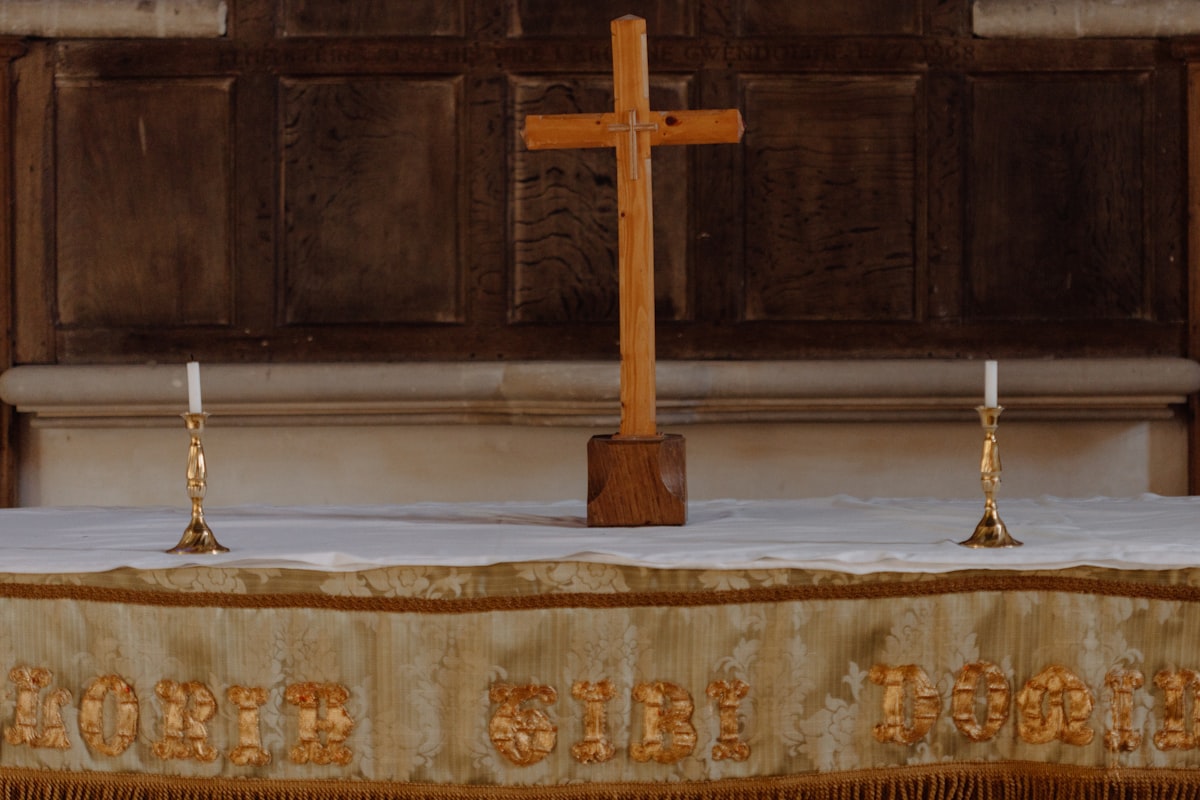
What the Early Church Showed Us
So what does this look like in practice? I find it helpful to look at the earliest snapshot we have of the church in Acts 2:42–47. Those first believers devoted themselves to the apostles’ teaching, to fellowship, to the breaking of bread, and to prayer. They met together in the temple courts and from house to house. They shared meals and met one another’s needs. The result was remarkable: “the Lord added to their number day by day those who were being saved” (Acts 2:47, ESV). That picture is not a program. It is a way of life — woven together, shared, and lived out in community.
For this reason, I believe Ephesians 4:11–12 deserves more attention than it usually gets. Paul writes that pastors and teachers are given to the church “to equip the saints for the work of ministry, for building up the body of Christ” (ESV). Notice what the text does not say. It does not say the pastor is given to do the ministry for the congregation. He is given to train the congregation to do it themselves. The pastor’s job is to produce disciples who can, in turn, make more disciples. That is the picture Paul has in mind — a whole body, fitted and held together, each part working properly, growing in love.
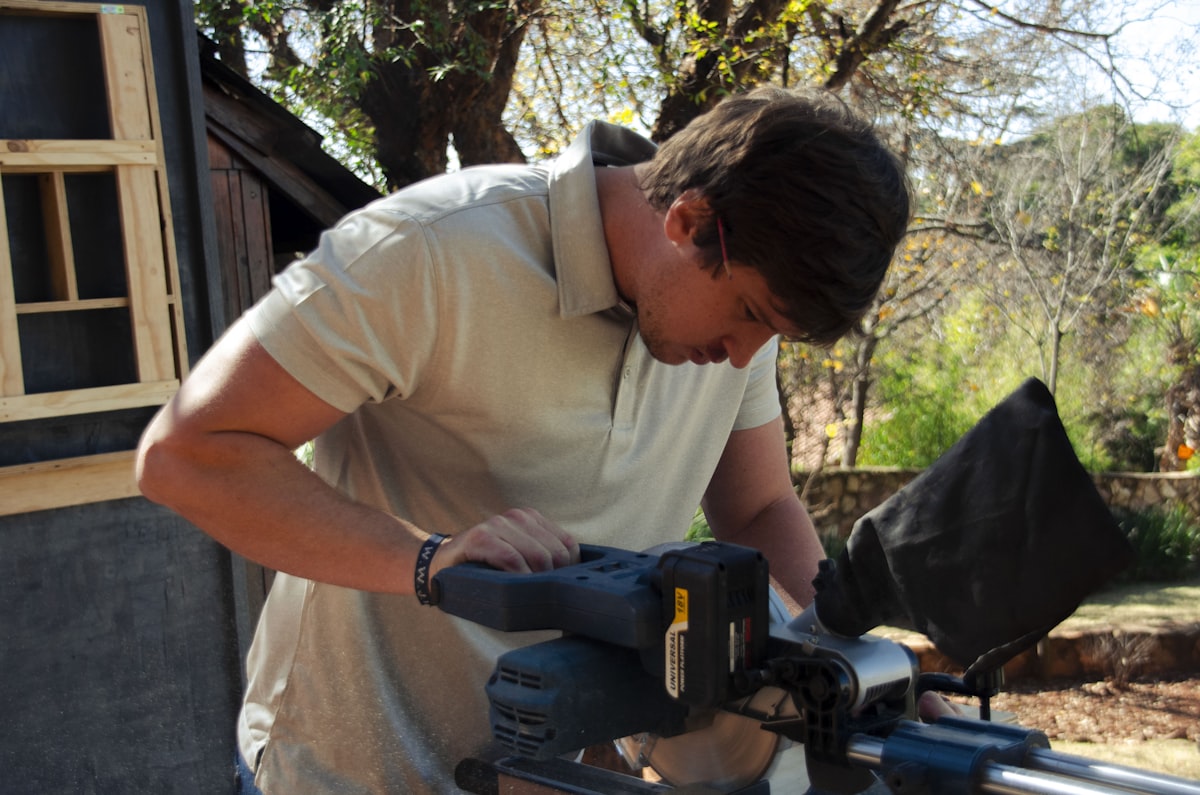
The Apprentice and the Master
Here is where an illustration helps me. Think of a young tradesman learning carpentry. He does not simply read books about woodworking. He works alongside a master craftsman, watching his hands, asking questions, making mistakes, and correcting them — week after week, year after year. Over time, the master’s skill becomes his own, not because he memorized instructions, but because he practiced. Discipleship works along similar lines. You cannot download Christlikeness. You have to live it, slowly, in relationship, under the patient tutelage of both the Word and the community of believers who are further along than you.
I will be the first to admit that this kind of discipleship is slow. It does not scale as neatly as a weekend conference or a six-week study series. It requires time, relationship, and a willingness to stay with people through the messy middle of growth. That slowness, though, is exactly the point. The goal is teleios — completeness in Christ — and that is not a destination you reach in a semester. It is a lifelong apprenticeship with a patient Master.
If you are in ministry, or simply trying to live faithfully in your local church, I would encourage you to hold this question alongside me: are the people around me simply learning about Christ, or are they learning to be like Him? That question, asked honestly and humbly and often, might just reshape how we invest our time, our relationships, and our energy in the months ahead.
May we have the patience to do this work well — and the confidence that He who called us to it is with us always, to the end of the age.
Leave a Reply